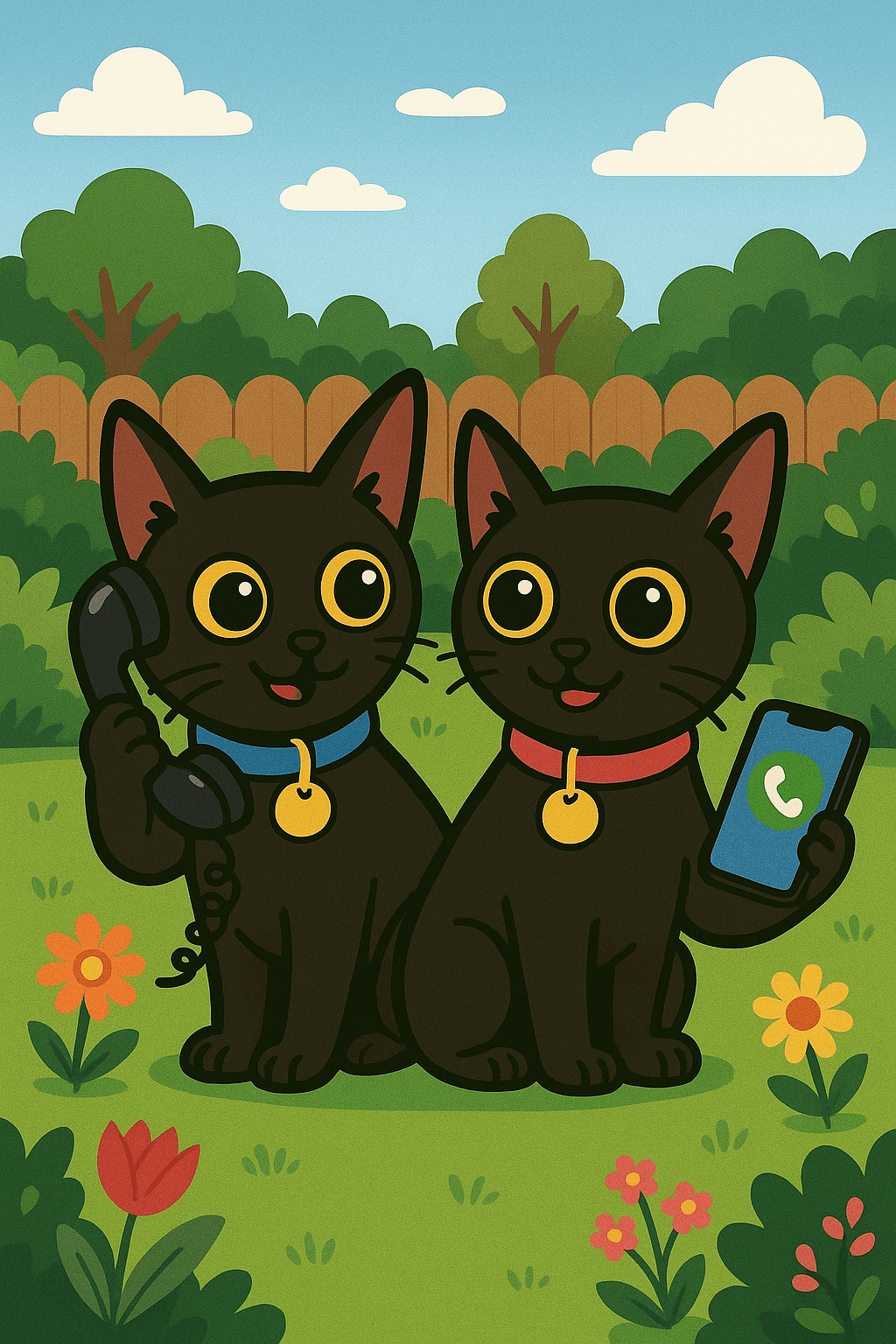
🐾 How Cats Communicate: Understanding Your Feline’s Body Language
If you’ve ever wondered what your cat is thinking as they stare at you from across the room, swish their tail, or slowly blink—you’re not alone. Cats are famously mysterious creatures, but they’re constantly communicating. The key is learning how to read their body language.
In this post, we’ll help you understand how cats use their ears, eyes, tails, posture, and even purring to express what they’re feeling. Once you tune into their signals, you’ll strengthen your bond with your feline friend and respond to their needs with confidence.
👀 Eye Contact: The Window to a Cat’s Mood
- Slow Blink: A relaxed cat will often “slow blink” at you—closing their eyes halfway and reopening them. This is feline for “I trust you.” Try returning the slow blink. It’s like saying “I love you” in cat language.
- Dilated Pupils: Large pupils can mean excitement (like spotting a toy) or fear (such as an unfamiliar noise). Pay attention to the context.
- Staring: A hard, fixed stare may indicate dominance or discomfort, especially if paired with a stiff body. If your cat is staring at another animal, tension might be rising.
👂 Ears: Tiny Mood Detectors
- Forward Ears: Your cat is curious, playful, or alert. They’re engaged with their environment.
- Flattened or Sideways (“airplane ears”): This usually means fear, agitation, or overstimulation. It’s best to give your cat space.
- Twitching Ears: Your cat is annoyed or trying to focus on a sound. They may be overstimulated—especially during petting.
🐾 Tail Talk: More Than Just a Furry Feather
- Upright Tail with a Curve at the Tip: A sign of a happy, confident cat. Often seen when they greet you at the door.
- Puffed Tail: A sign of fear or sudden excitement. Your cat is startled and trying to look bigger.
- Low or Tucked Tail: This signals submission, nervousness, or discomfort.
- Swishing or Lashing Tail: If the tail is flicking rapidly, your cat is likely irritated or overstimulated. It’s often a warning to stop whatever you’re doing.
🧍 Posture: How Cats Carry Themselves
- Arched Back with Fur Raised: Classic defensive posture—your cat is scared or startled.
- Relaxed, Lying on Their Side or Back: Your cat feels safe and may want belly rubs—or may not. Approach with caution and read the full body language.
- Crouched with Tense Muscles: Your cat might be nervous or preparing to flee. It’s a good idea to observe and not force interaction.
🎶 Sounds & Purrs: Bonus Communication Tools
- Purring: Often associated with contentment, but cats also purr when they’re in pain or stressed—it’s a self-soothing mechanism.
- Trilling/Chirping: Friendly and often used as a greeting, especially between cats and humans.
- Hissing or Growling: Obvious signs of fear, aggression, or warning. Step back and give your cat space.
🐱 Every Cat is Unique
Just like people, cats have individual personalities. What signals comfort in one cat may mean something different in another. The key is observation and consistency—learn what your specific cat’s cues mean in context.
💬 Let’s Hear from You!
Have you cracked the code of your cat’s body language? Share your stories or photos in the comments, or tag us on Instagram @happytailscat with #HappyTailsCat!
 Happy Tails
Leave a comment