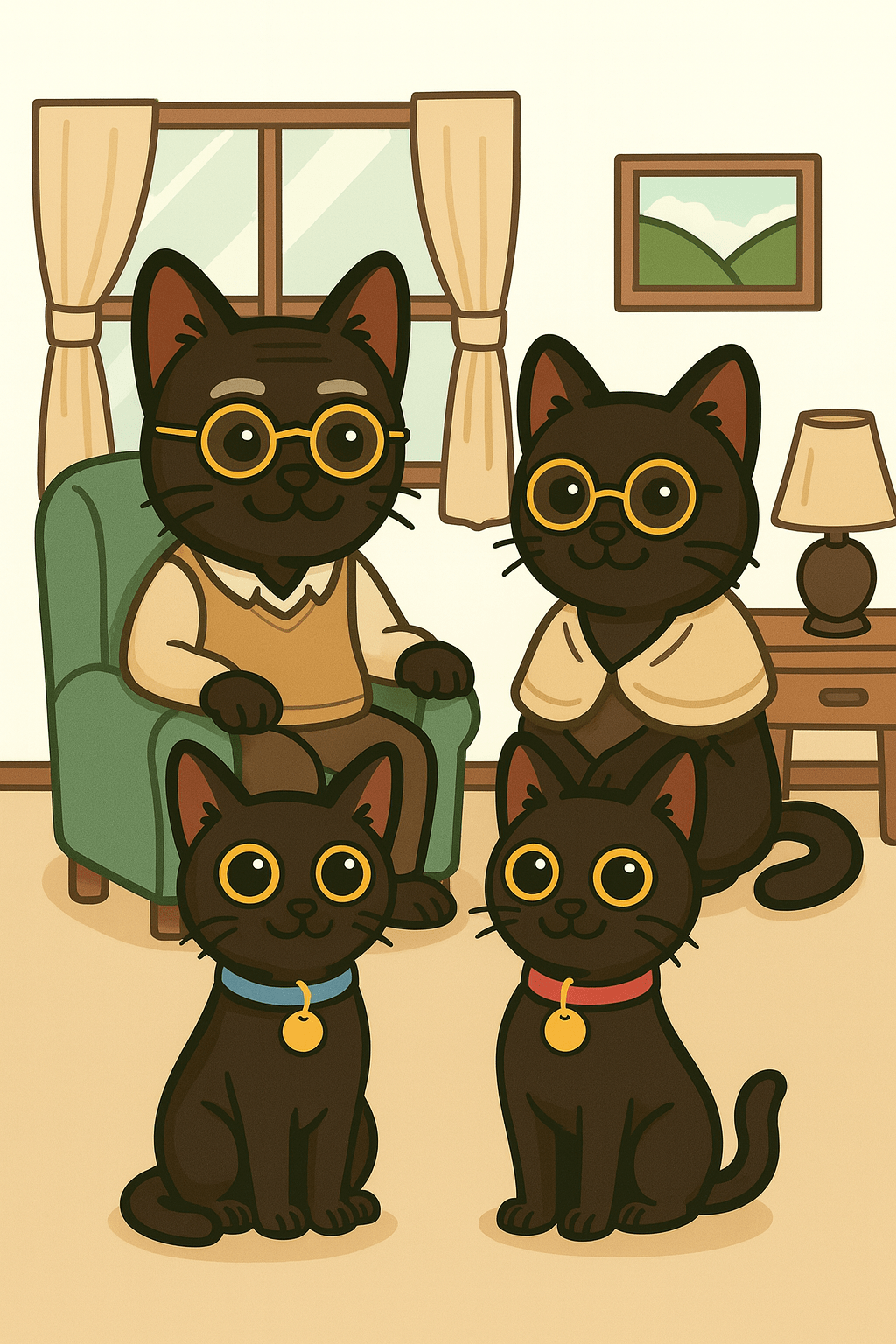
As cats enter their golden years, their needs change, just like ours do. With a little extra attention, you can help your senior kitty stay healthy, comfortable, and content well into their twilight years.
Whether your cat is 10 or 18, these essential care tips will help you make their senior stage as joyful as possible. 💛
🐱 When Is a Cat Considered “Senior”?
Cats are generally considered senior at around 10 years old, and geriatric at 14 and up.
- Indoor cats tend to live longer (often 15–20 years).
- While they may slow down, senior cats can still enjoy full, happy lives with proper care.
🩺 1. Schedule Regular Vet Visits
Older cats benefit from biannual vet checkups instead of yearly ones.
These visits help detect health issues early – such as kidney disease, arthritis, dental problems, or thyroid issues.
Ask your vet about:
- Senior wellness bloodwork
- Urine and blood pressure checks
- Dental cleanings and pain management options
🦷 2. Prioritize Dental Health
Dental issues are very common in senior cats and can impact appetite and overall health.
- Brush gently with a pet-safe toothpaste if your cat allows it.
- Use dental treats or rinses recommended by your vet.
- Schedule professional cleanings as needed.
🥣 3. Adjust Their Diet
Senior cats often need a diet that supports joint health, digestion, and a healthy weight.
- Look for senior-formulated foods with added omega-3s, fibre, and antioxidants.
- Encourage hydration – older cats are prone to kidney disease and dehydration.
- Try adding water or broth to wet food.
- Use a cat fountain to encourage drinking.
🛏️ 4. Make Their Environment Senior-Friendly
Help your cat stay comfortable and mobile as they age.
- Provide soft, warm beds in easily accessible spots.
- Use ramps or low perches instead of high climbing areas.
- Keep litter boxes on every level of your home with low sides for easy access.
🐾 5. Support Mobility & Comfort
Arthritis is common in older cats, even if they don’t show pain.
- Provide soft bedding and heated mats for achy joints.
- Ask your vet about safe supplements like glucosamine or omega-3 fatty acids.
- Gentle play helps maintain flexibility and muscle tone.
🧠 6. Keep Their Minds Sharp
Just like humans, cats can experience cognitive decline.
- Stick to routines – consistency helps reduce stress.
- Offer puzzle feeders or gentle play to engage their minds.
- Give them extra affection and reassurance.
🩷 7. Watch for Behavioural Changes
Subtle changes may signal health issues:
- Sleeping more than usual
- Changes in appetite or litter box habits
- Vocalizing at night
- Becoming more withdrawn or clingy
If you notice these, consult your vet – early treatment makes a big difference.
🌼 Final Thoughts
Senior cats give us the quiet, soulful love that only comes with time and trust. With the right care, they can enjoy their golden years in comfort and dignity – purring beside you just as they always have.
Cherish every slow blink, every soft meow, and every cosy nap together. After all, they’ve spent their lives loving you – now it’s your turn to return the favour. 🐾💛
 Happy Tails
Leave a comment