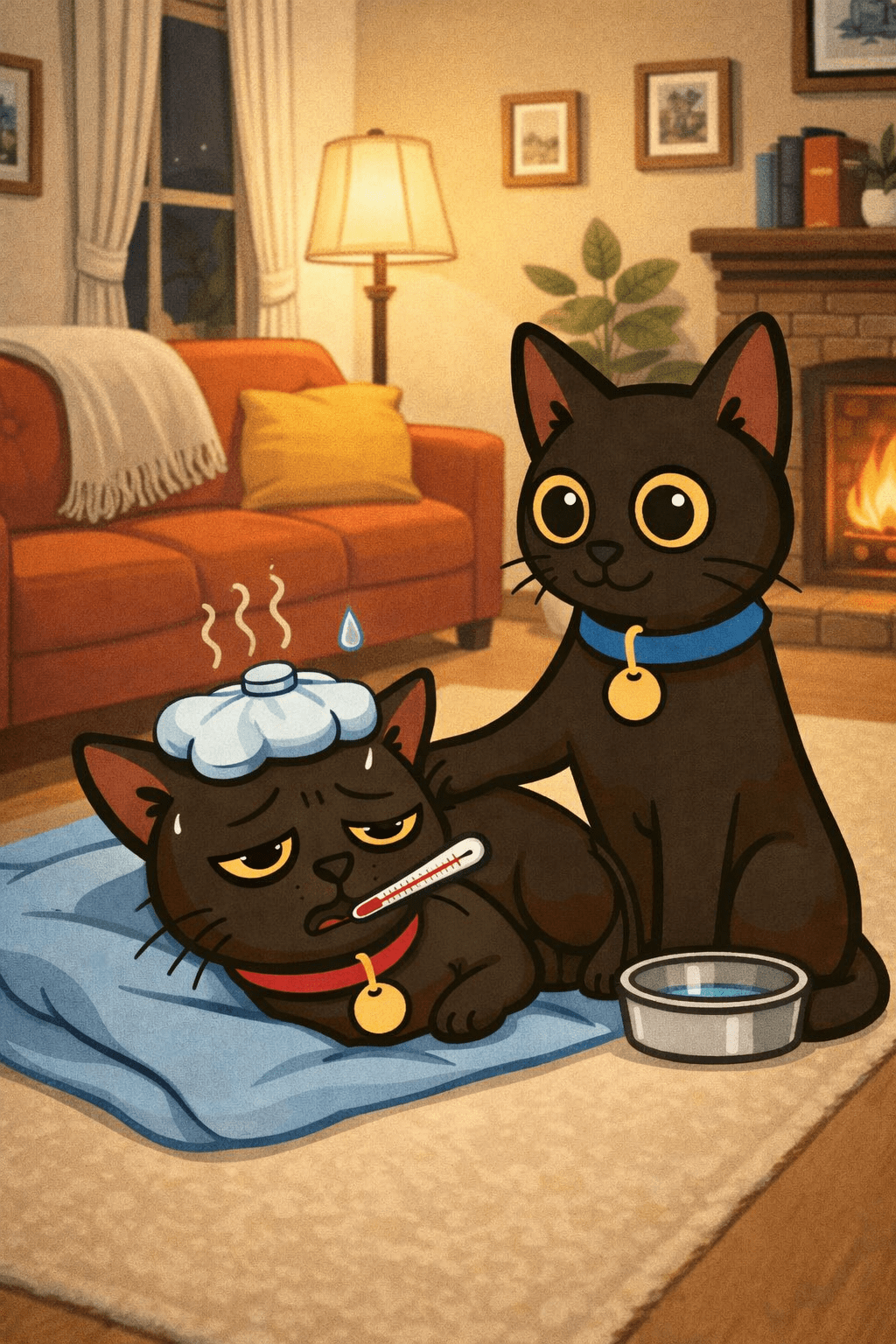
Cats are masters at hiding pain. In the wild, showing weakness can make an animal vulnerable, and that instinct still runs deep in our house cats. As a result, many cats suffer silently, and their discomfort can go unnoticed until it becomes severe.
Knowing the subtle signs of pain and how to respond can make a huge difference in your cat’s quality of life.
Why Cats Hide Pain
Unlike dogs, who often vocalize or limp dramatically, cats tend to mask pain through small changes in behaviour. These changes are easy to dismiss as “moodiness” or “aging,” but they’re often your cat’s way of asking for help.
Common Signs Your Cat Might Be in Pain
1. Changes in Behaviour or Personality
- Becoming withdrawn or hiding more than usual
- Increased irritability or aggression
- Less interest in play or interaction
If your normally social cat suddenly avoids you, pain could be the cause.
2. Reduced Grooming (or Over-Grooming)
- A dull, greasy, or matted coat
- Neglected areas, especially hard-to-reach spots
- Excessive licking of one specific area (a sign of localized pain)
3. Changes in Appetite or Drinking
- Eating less or refusing food
- Difficulty chewing or dropping food
- Drinking more or less than usual
Pain from dental issues, arthritis, or internal illness often affects eating habits.
4. Litter Box Changes
- Urinating or defecating outside the litter box
- Straining, crying, or taking longer in the box
- Avoiding the box entirely
These signs can point to pain from arthritis, urinary tract issues, or digestive problems.
5. Altered Movement or Posture
- Limping or stiffness, especially after resting
- Hesitating to jump or climb
- A hunched posture or tucked abdomen
Arthritis is extremely common in older cats and often goes undiagnosed.
6. Vocalization Changes
- Increased meowing, yowling, or growling
- Crying when touched or picked up
- Unusual nighttime vocalization
Some cats become quieter, while others become more vocal when in pain.
7. Facial Expressions and Body Language
- Squinted or half-closed eyes
- Flattened ears
- Tense body or tail held close
Veterinarians often use these subtle cues to assess pain levels.
What to Do If You Suspect Your Cat Is in Pain
1. Schedule a Vet Visit
Never assume pain is “just old age.” A veterinarian can identify the underlying cause and recommend safe treatment options.
2. Never Give Human Pain Medication
Medications like ibuprofen, acetaminophen (Tylenol), and aspirin can be toxic or fatal to cats. Always use treatments prescribed specifically for feline use.
3. Make Your Cat More Comfortable at Home
- Provide soft, warm bedding
- Use ramps or steps to reduce jumping
- Keep food, water, and litter boxes easily accessible
Small environmental changes can greatly reduce daily discomfort.
4. Follow a Pain Management Plan
Depending on the cause, your vet may recommend:
- Prescription pain medications
- Joint supplements
- Dental treatment
- Weight management
- Physical therapy or lifestyle adjustments
Pain management is often ongoing, not a one-time fix.
5. Monitor and Advocate
You know your cat best. Keep track of changes, improvements, or new symptoms, and communicate them clearly to your vet.
Final Thoughts
Cats may be quiet about their pain, but they rely on us to notice the signs. Paying attention to subtle behavioural changes can help catch problems early, reduce suffering, and extend your cat’s happy, comfortable years.
When in doubt, trust your instincts and consult your veterinarian. Your cat may not be able to say “I hurt,” but their behaviour is speaking volumes.
 Happy Tails
Leave a comment