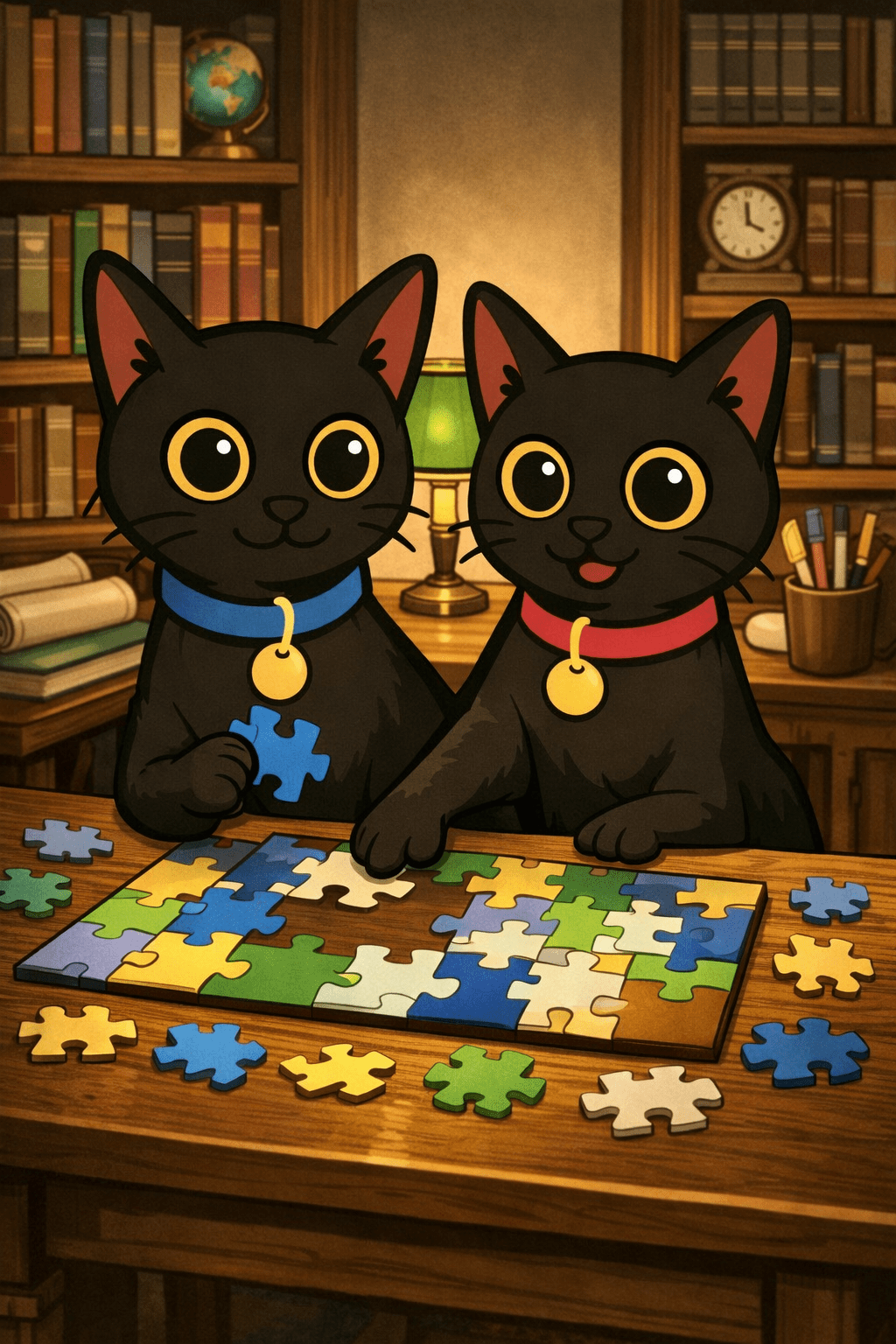
Indoor cats live safer, longer lives – but safety shouldn’t come at the cost of boredom. Without the changing sights, sounds, and challenges of the outdoors, indoor cats can become under-stimulated, which may lead to stress, destructive behaviour, or weight gain. The good news? With a little creativity, you can turn your home into a rich, engaging environment that keeps your cat happy, curious, and mentally sharp.
Why Mental Stimulation Matters
Cats are natural hunters and problem-solvers. In the wild, they spend much of their day stalking, chasing, and exploring. When those instincts aren’t engaged, cats may show signs of boredom such as excessive sleeping, overgrooming, or acting out.
Mental stimulation helps:
- Reduce stress and anxiety
- Prevent behavioural issues
- Support healthy aging and cognition
- Strengthen the bond between you and your cat
Interactive Play: Tap Into the Hunter Instinct
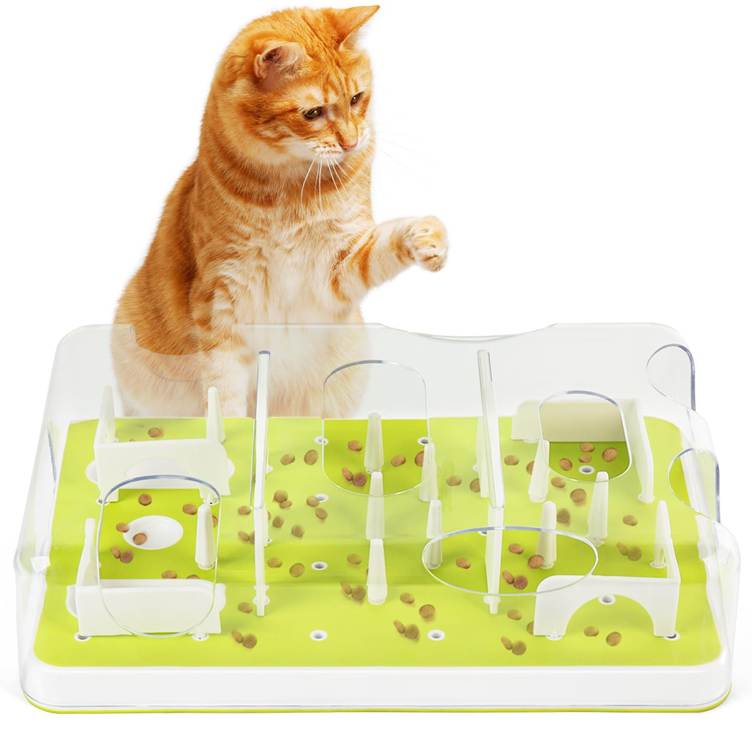
Daily playtime is one of the most effective ways to keep your cat mentally engaged. Toys that mimic prey – like feather wands, toy mice, or ribbon teasers – allow your cat to stalk, pounce, and “hunt.”
Tips for better play sessions:
- Rotate toys every few days to keep them novel
- End play with a small meal or treat to complete the “hunt–eat–rest” cycle
- Use puzzle feeders or treat-dispensing toys to make mealtime more engaging
Even 10–15 minutes of focused play, once or twice a day, can make a big difference.
Create a Cat-Friendly Environment
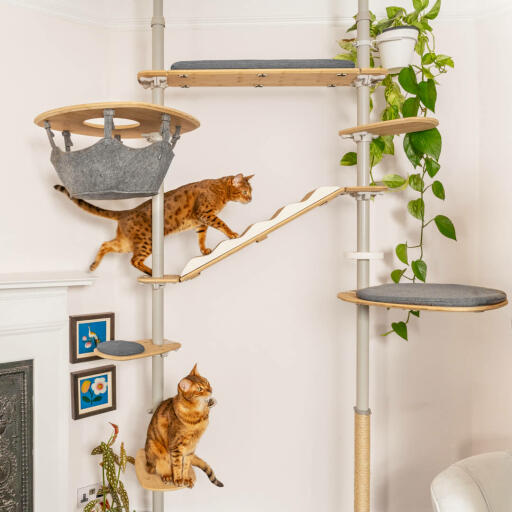
Your home can be an adventure space with a few thoughtful changes. Cats love vertical territory, cozy hiding spots, and places to observe the world.
Easy enrichment ideas:
- Install window perches so your cat can watch birds and people
- Add cat trees or wall-mounted shelves for climbing and exploring
- Provide cardboard boxes, tunnels, or paper bags (handles removed)
Changing layouts occasionally – like moving a cat bed or adding a new box – can spark curiosity without much effort.
Enrichment Beyond Toys
Mental stimulation isn’t just about playthings. Sensory experiences can be just as enriching.
- Training & tricks: Yes, cats can learn! Simple clicker training or teaching “sit” and “high five” engages their brain.
- Scent enrichment: Sprinkle cat-safe herbs like catnip or silvervine, or let your cat sniff new (safe) household items.
- Sounds & visuals: Some cats enjoy calming music, nature sounds, or even cat-friendly videos designed for feline viewers.
Rotate, Observe, and Adapt
Every cat is unique. Some prefer high-energy play, while others enjoy quiet observation or problem-solving. Pay attention to what excites your cat and rotate activities to prevent routines from becoming stale.
Final Thoughts
Keeping an indoor cat mentally stimulated doesn’t require constant effort – just intention. By incorporating interactive play, enriching environments, and novel experiences, you’re giving your cat the chance to express their natural instincts and live a fuller, happier life indoors.
A stimulated cat isn’t just a healthier cat – it’s a more content companion. 🐱💛
 Happy Tails
Leave a comment