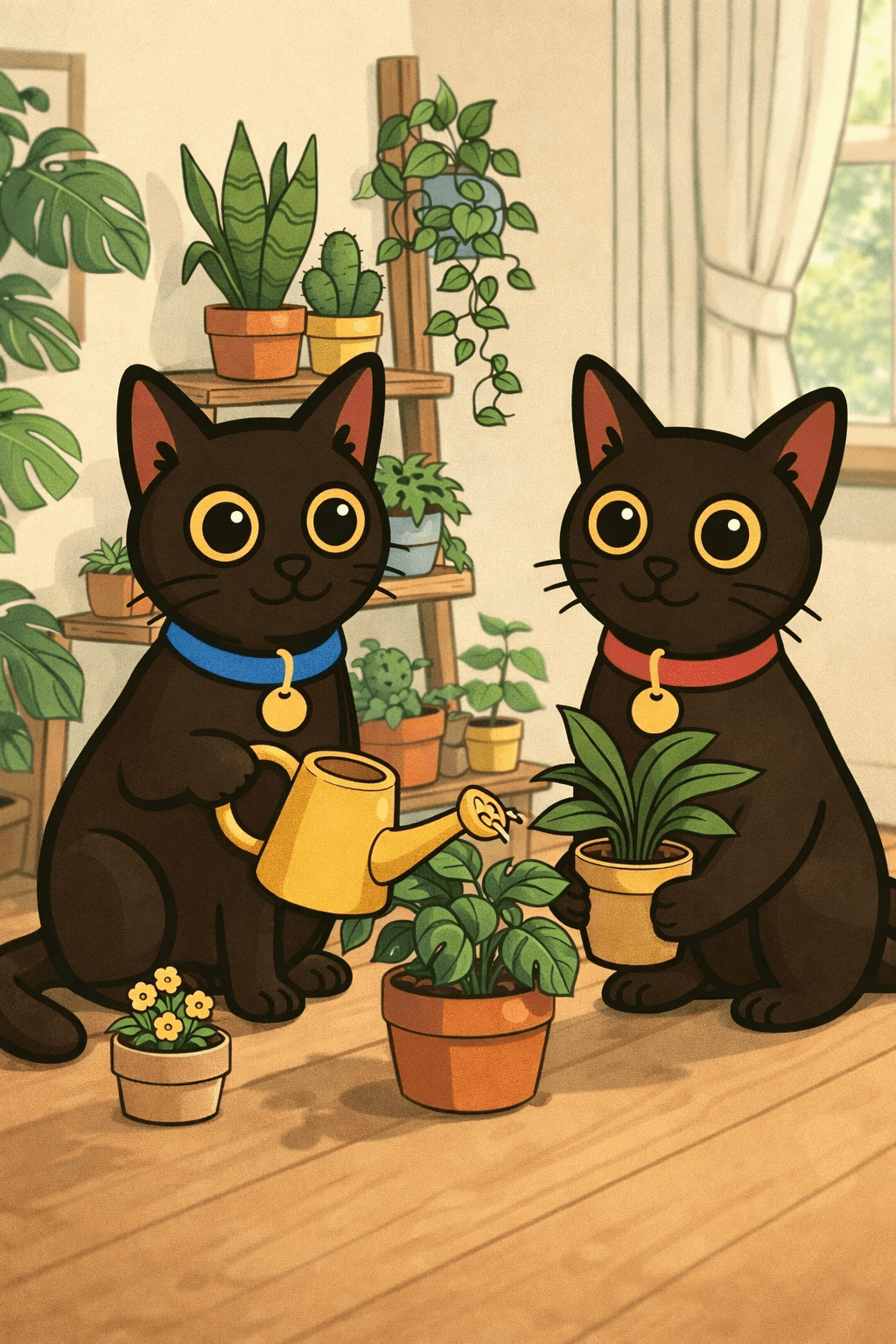
Cats are curious by nature. They sniff, nibble, and sometimes chew on plants around the home—often without us noticing. While many houseplants are harmless, some popular decorative plants can be dangerous or even life-threatening to cats. Knowing which plants to avoid (or keep well out of reach) is an essential part of creating a cat-safe home.
Below is a guide to some of the most common household plants that are toxic to cats, the symptoms they can cause, and what to do if exposure occurs.
1. Lilies (Extremely Toxic)
Examples: Easter lily, Tiger lily, Asiatic lily, Daylily
Lilies are among the most dangerous plants for cats. Even small exposures – such as licking pollen off their fur or drinking water from a vase – can cause acute kidney failure.
Symptoms:
- Vomiting
- Lethargy
- Loss of appetite
- Increased thirst or urination (later stages)
⚠️ Emergency alert: If you suspect your cat has been exposed to lilies, seek veterinary care immediately.
2. Aloe Vera
Often praised for its healing properties for humans, aloe vera contains compounds that are toxic to cats.
Symptoms:
- Vomiting
- Diarrhoea
- Lethargy
- Tremors (in severe cases)
3. Pothos (Devil’s Ivy)
A popular low-maintenance houseplant, pothos contains insoluble calcium oxalates that irritate a cat’s mouth and digestive tract.
Symptoms:
- Drooling
- Pawing at the mouth
- Oral pain
- Vomiting
4. Snake Plant (Sansevieria)
This trendy, air-purifying plant can cause gastrointestinal upset in cats if ingested.
Symptoms:
- Nausea
- Vomiting
- Diarrhoea
5. Peace Lily
Despite the name, peace lilies are not true lilies, but they can still cause significant irritation.
Symptoms:
- Mouth and tongue irritation
- Excessive drooling
- Difficulty swallowing
- Vomiting
6. Philodendron
Another common decorative plant, philodendron contains toxic crystals that can cause painful reactions.
Symptoms:
- Burning sensation in the mouth
- Swelling of lips and tongue
- Vomiting
- Drooling
7. ZZ Plant (Zamioculcas zamiifolia)
Known for its hardiness, the ZZ plant is toxic to both cats and dogs.
Symptoms:
- Vomiting
- Diarrhoea
- Lethargy
- Mouth irritation
What To Do If Your Cat Eats a Toxic Plant
- Remove access immediately – Take the plant away from your cat.
- Check for symptoms – Note any vomiting, drooling, or unusual behaviour.
- Contact a veterinarian – Even if symptoms seem mild.
Cat-Safe Plant Alternatives
If you love greenery but want to keep your feline safe, consider these non-toxic options:
- Spider plant
- Boston fern
- Areca palm
- Calathea
- Cat grass or catnip
Final Thoughts Creating a beautiful home doesn’t have to come at the expense of your cat’s health. By learning which common household plants are toxic to cats and choosing safer alternatives, you can enjoy both lush greenery and peace of mind. When in doubt, always research a plant before bringing it home – your cat will thank you for it. 🐾
 Happy Tails
Leave a comment