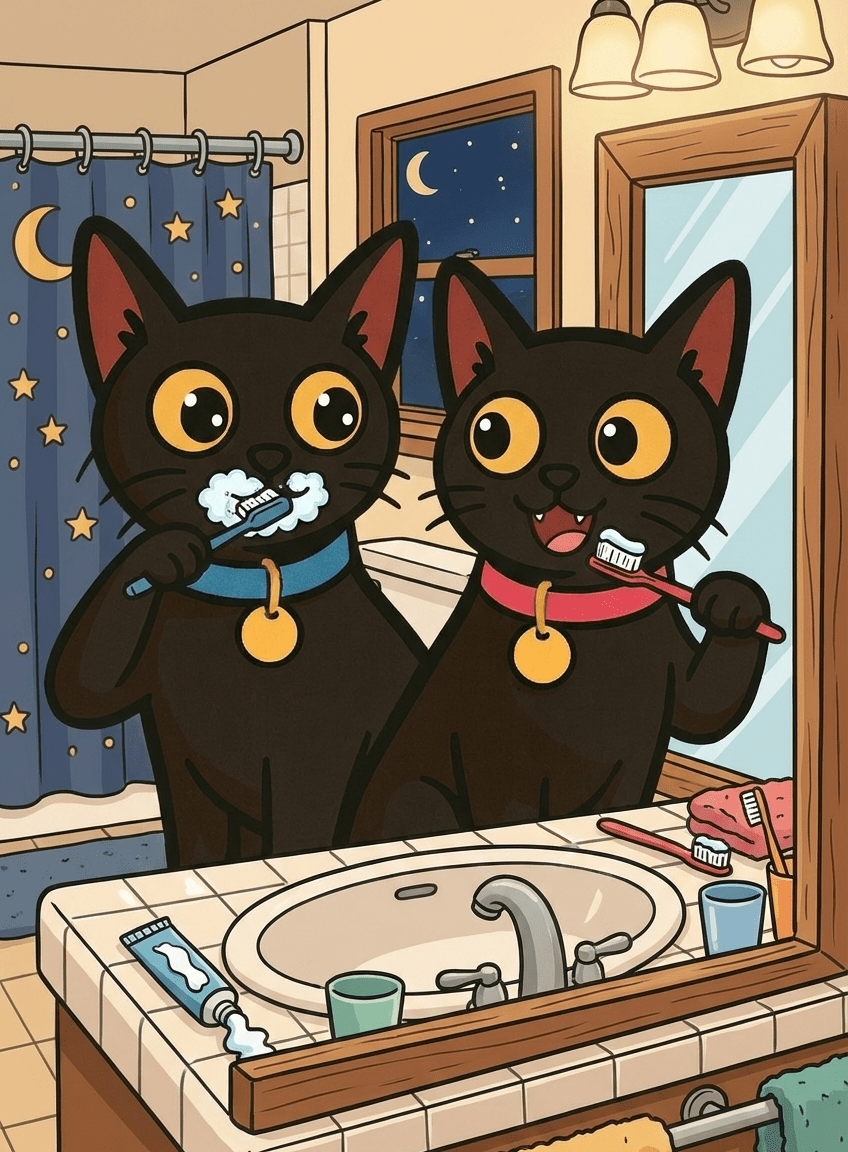
Keeping your cat’s teeth clean isn’t just about fresh breath – it’s essential for their overall health. Dental disease is one of the most common issues in cats, and without regular care it can lead to pain, tooth loss, and even problems affecting the heart and kidneys.
If the thought of brushing your cat’s teeth sounds impossible… don’t worry. With patience (and a few treats!), it can become part of your weekly routine.
🦷 Why Brushing Your Cat’s Teeth Matters


Plaque can begin forming on your cat’s teeth within hours of eating. If it isn’t removed, it hardens into tartar, which can cause:
- Bad breath
- Red or bleeding gums (gingivitis)
- Pain while eating
- Tooth loss
- Bacteria entering the bloodstream
According to organisations like Cats Protection and International Cat Care, regular dental care at home can dramatically reduce the risk of dental disease.
🪥 What You’ll Need
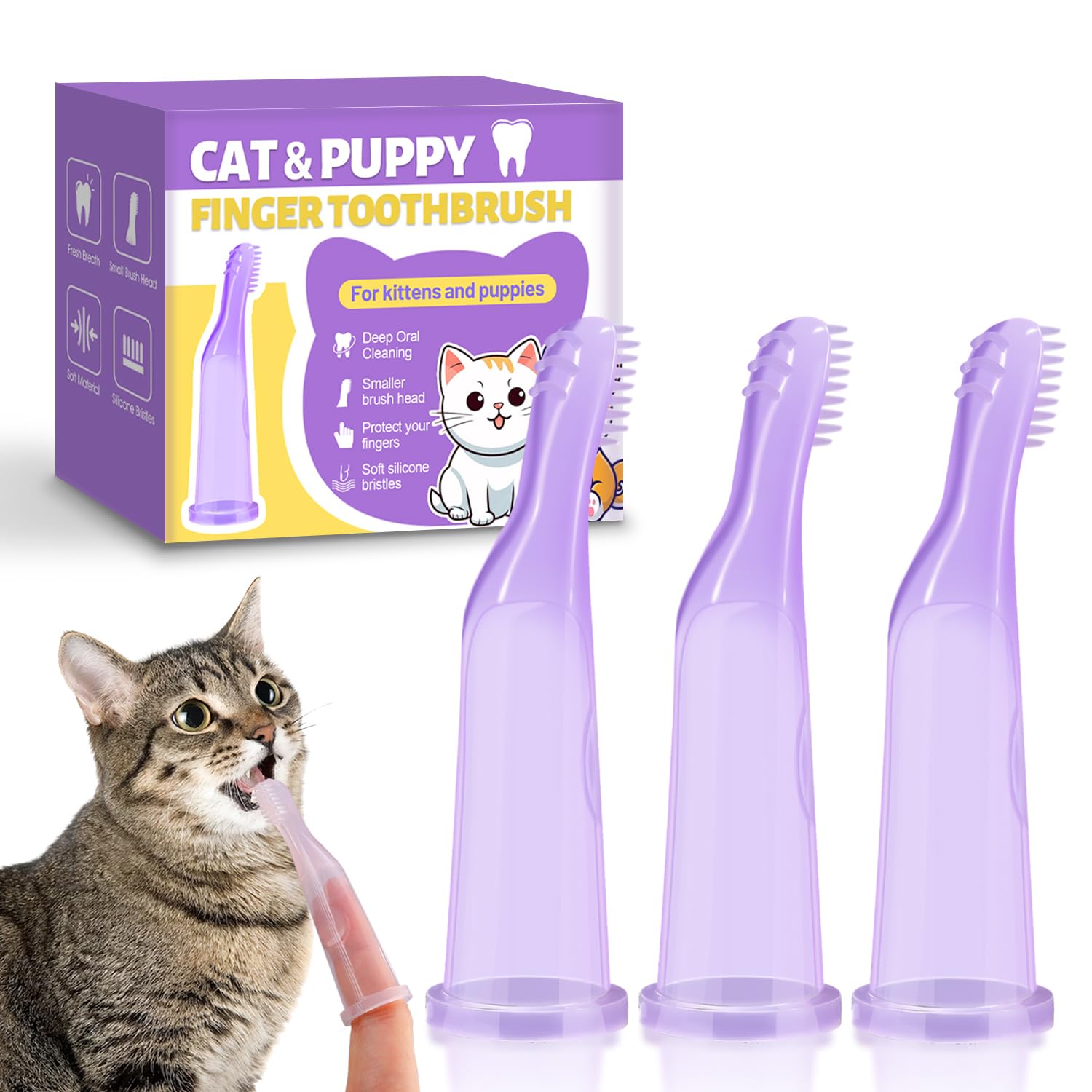


Before you begin, gather:
- A cat-specific toothbrush (or finger brush)
- Cat toothpaste (never human toothpaste – it contains fluoride which is toxic to cats)
- A calm environment
- A few favourite treats
💡 Tip: Choose a toothpaste flavour your cat loves (chicken or fish usually wins!).
🐾 Step-by-Step: How to Brush Your Cat’s Teeth
Step 1: Get Them Used to Mouth Touching
Start slowly. For a few days, gently lift your cat’s lip and touch their gums with your finger. Reward with praise and treats.
Step 2: Introduce the Toothpaste
Let your cat lick a small amount from your finger so they associate it with something positive.
Step 3: Try a Finger Brush
Wrap the brush over your finger and gently rub along the gum line. Focus on the outer surfaces – this is where plaque builds up most.
Step 4: Use a Toothbrush
Once your cat is comfortable, switch to a soft cat toothbrush. Use small circular motions and be gentle.
You don’t need to brush for long – 30 seconds is a great start.
Step 5: Keep It Consistent
Aim for:
- Ideally: Daily brushing
- Realistically: 2–3 times per week
Consistency matters more than perfection.
🐱 What If My Cat Refuses?
Not all cats take to brushing straight away (we’re looking at you, dramatic divas 👀).
If brushing isn’t possible:
- Try dental treats approved by your vet
- Use dental water additives
- Consider dental gels
- Schedule regular professional checks
Always speak to your vet if you notice:
- Drooling
- Pawing at the mouth
- Difficulty eating
- Very bad breath
❤️ Making It Part of Your Routine
If you work full-time (like many of us juggling jobs and cat-parent life!), try brushing in the evening when your cat is relaxed. Pair it with another routine activity – for example, after their dinner or before bedtime cuddles.
The key is making it feel normal, calm, and positive.
🐾 Final Thoughts
Brushing your cat’s teeth might feel awkward at first – but it’s one of the best things you can do for their long-term health.
Start slowly. Be patient. Celebrate small wins.
And remember… a healthy smile means a happy tail. 💛
 Happy Tails
Leave a comment